A home’s construction date can suggest that an electrical inspection is worthwhile, but it cannot establish what wiring is inside the walls. The useful question is whether the property has solid aluminum conductors on its general-purpose branch circuits and, if so, what condition the connections are in.
That distinction matters. Aluminum conductors used for larger feeders or service equipment aren’t automatically the same issue as older aluminum branch wiring connected throughout a home. A qualified electrician can identify the conductor type, trace the affected circuits, and build a complete inventory of the connections before recommending aluminum wiring remediation.
Why the connections need careful evaluation
Aluminum can conduct electricity safely when the conductor, connector, equipment, preparation, and installation method are compatible. Problems can develop at branch-circuit connections that weren’t designed or installed for the conductor involved.
Temperature changes can make metal expand and contract. Oxidation, an incompatible device, physical damage, or a connection that no longer maintains proper contact can increase resistance and heat at a termination. That is why an inspection must look beyond a single outlet or switch. The electrician needs to determine where the aluminum branch conductors terminate throughout the affected circuits.
How an electrician identifies the wiring
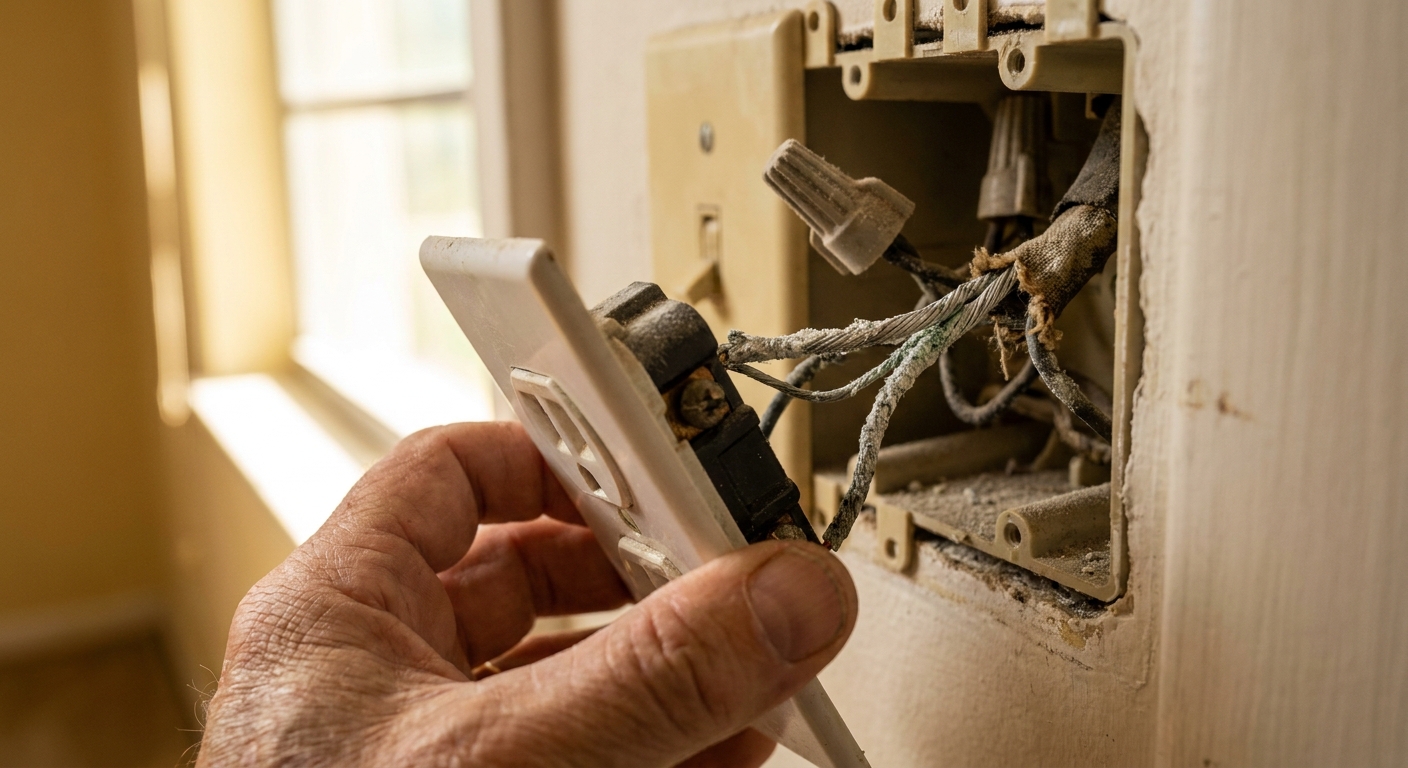
Identification involves examining conductor markings and actual terminations at appropriate access points. The inspection may include the panel, receptacles, switches, fixtures, and junction boxes associated with the affected circuits.
Leave device and panel covers closed rather than trying to expose the conductors yourself. A licensed electrician can de-energize the relevant equipment, verify the electrical state, and inspect the wiring without turning a visual check into a shock or arc hazard.
The inspection should answer several practical questions:
- Is the aluminum part of a general-purpose branch circuit, a larger feeder, or another installation?
- Which circuits and connection points contain it?
- Are the devices and connectors compatible with the actual conductor?
- Is there heat damage, deterioration, insufficient conductor length, or previous repair work?
- Can every affected connection be accessed and included in the chosen repair method?
Signs that call for prompt inspection
A warm or discolored wall plate, buzzing or crackling, a burning odor, shocks, unexplained flicker, or frequent breaker trips calls for prompt inspection by a qualified electrician. Those symptoms can have more than one cause, so their presence doesn’t prove that aluminum wiring is responsible.
Don’t repeatedly reset a breaker or open electrical equipment to investigate. If there is smoke or fire, leave the hazard area and contact emergency services.
Rewiring and connection-level repair
The U.S. Consumer Product Safety Commission’s aluminum-wiring guidance discusses rewiring affected branch circuits with copper as well as approved connector-repair methods, including COPALUM and AlumiConn under specified conditions.
Rewiring replaces the affected aluminum branch-circuit conductors with copper. It addresses the wiring throughout the circuit but can require access through walls or ceilings, followed by finish repairs.
A connection-level repair keeps suitable existing aluminum conductors and treats their terminations using a qualified method. COPALUM uses a specialized compression connection between the aluminum conductor and a copper lead. AlumiConn is a mechanical connector used for an aluminum-to-copper transition when its listing, conductor condition, installation requirements, and available box space are satisfied.
Neither method should be reduced to repairing one visible outlet. The work begins with a complete connection inventory and must account for the actual conductors, devices, enclosures, and prior alterations. The CPSC branch-wiring discussion also shouldn’t be turned into a blanket rule against every aluminum feeder or service conductor.
What determines the project scope
The price cannot be established from the home’s age or square footage alone. The selected electrician first needs to determine:
- how many branch circuits contain aluminum conductors
- how many receptacles, switches, fixtures, and junction points are involved
- whether all terminations are accessible
- whether conductors or enclosures have been damaged
- whether existing devices and boxes can support the specified repair
- whether the chosen approach is connection repair, circuit replacement, or a combination
- how much wall, ceiling, or finish access a rewiring plan would require
A targeted connection repair and a full rewire solve the problem differently. The correct scope depends on the complete inspection, not merely on a label, build date, or open breaker space.
Records, insurance, and property transactions
Insurance and inspection requirements vary by carrier and transaction. An electrician’s findings, the locations addressed, the repair method, product information, and completion records can help a future inspector or property owner understand what was done. Those records don’t guarantee that a particular insurer will accept the work or issue coverage.
If a previous owner reports that the wiring was repaired, ask for the documentation and still have the actual installation evaluated when its scope is unclear. A repaired connection, an untouched connection, and a larger aluminum feeder shouldn’t be treated as interchangeable.
Rental and multi-unit properties
For a rental or small multi-unit property, the inspection should identify the affected circuits and connection points in each unit rather than assume that every unit was wired or altered the same way. Reports of heat, odor, discoloration, shocks, buzzing, or recurring trips need qualified evaluation even when the electrical system otherwise appears to operate normally.
Tampa Electrical Pro refers customers to independent licensed and insured electricians. Call (813) 850-0320 to discuss an inspection or review aluminum wiring remediation options for the wiring actually present at the property.